Pickleball Gear, Decoded
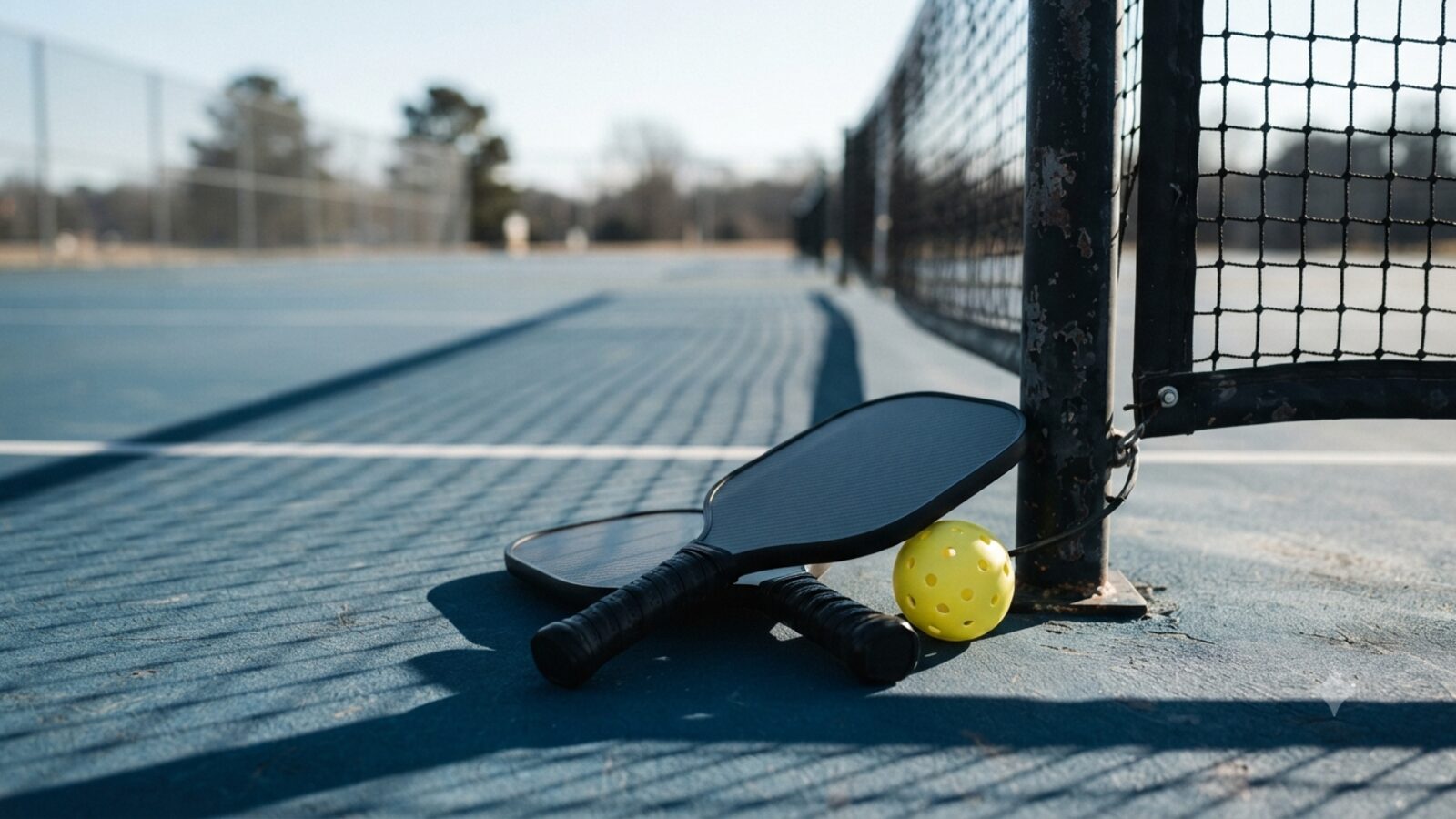
Paddle Lab ranks pickleball paddles by the specs that actually decide how they play — core thickness (13mm power vs 16mm control), face material (fiberglass vs carbon vs raw carbon), and weight class — plus whether a paddle is actually on USA Pickleball's approved-equipment list. We don't publish prices or star ratings, every pick names an honest drawback, and we stick to spec facts, never injury claims.
Pickleball is the fastest-growing sport in the US for three years running, and paddle marketing has grown just as fast — "16k spin technology," inflated "pro" branding, and paddles that aren't even tournament-legal. We start from the spec sheet and the official rulebook: a 16mm core is control, a 13mm core is power, raw carbon is grippier than fiberglass within a legal roughness limit, and "USA Pickleball approved" means a specific model is on a specific public list — not a vibe. Pick a category below — each guide leads with the one spec that changes how you shop.
Beginner Paddles
Thick 16mm cores and forgiving fiberglass faces — the specs that make mishits less punishing while you learn.
5 picks →
Control Paddles
16mm cores tuned for the soft game, with raw carbon faces for players who want spin without giving up forgiveness.
5 picks →
Power Paddles
Thin 13–14mm cores and carbon faces built to maximize drive speed — and the honest trade-offs in forgiveness and arm strain.
5 picks →
Start here — one paddle per playing style
Core thickness and face material decide how a paddle plays: thicker cores add control and dwell time, thinner ones add pop. Pick the style first, then the paddle. Each links to a live Amazon search rather than a fixed listing.
Selkirk Vanguard Power Air
16mm polymer core, fiberglass face class, mid weight class, USA Pickleball approved-equipment listed
A forgiving 16mm control-leaning core paired with a fiberglass face gives new players a bigger error margin on off-center hits than a thin, stiff power paddle.
Best for: New players who want one paddle that won't punish mishits while they learn form
Watch out: Fiberglass face tops out lower on raw power/spin than carbon fiber, so expect to want an upgrade once your swing gets consistent — that's a normal, honest progression, not a defect.
Check price on AmazonNot deciding today? Add it to your cart over there — Amazon keeps it saved (and flags any price change) until you're ready.
Engage Signature Pro
16mm polymer core, textured fiberglass face class, mid-to-heavy weight class, USA Pickleball approved-equipment listed
Engage's flagship control paddle uses a thick 16mm core plus a large sweet spot specifically tuned for soft-game consistency at the non-volley line.
Best for: Dink-and-reset players who win points at the kitchen line rather than off the drive
Watch out: The control-first tuning means it genuinely gives up ball speed compared to a thin-core power paddle — don't buy this expecting to out-drive power players.
Check price on AmazonNot deciding today? Add it to your cart over there — Amazon keeps it saved (and flags any price change) until you're ready.
JOOLA Hyperion C2
13mm polymer core, carbon fiber face class, mid-to-heavy weight class, USA Pickleball approved-equipment listed
A thin 13mm core is the textbook power-class spec — less core to absorb energy means more of it transfers back into the ball on drives.
Best for: Players with a grooved, consistent swing who win points on pace rather than placement
Watch out: Thin 13mm cores have a smaller forgiveness margin — off-center hits lose more control than on a 16mm paddle, so this is a harder paddle to play well, not a strictly better one.
Check price on AmazonNot deciding today? Add it to your cart over there — Amazon keeps it saved (and flags any price change) until you're ready.
JOOLA Ben Johns Hyperion CFS
16mm core, composite/fiberglass-blend face class, mid weight class, USA Pickleball approved-equipment listed
A widely available, name-brand paddle at a beginner-friendly price point with a forgiving 16mm core.
Best for: Players who want a known brand and easy replacement-part availability
Watch out: Entry-tier composite face paddles from big brands vary batch to batch in feel; check that the specific SKU you buy is the approved-equipment listed version, not a similarly-named off-list variant.
Check price on AmazonNot deciding today? Add it to your cart over there — Amazon keeps it saved (and flags any price change) until you're ready.
The claims worth decoding first
One dataset behind every guide
Every recommendation on this site traces back to the same normalized reference dataset — USA Pickleball's equipment rules, core-thickness classes, face-material classes, weight classes, ball specs, and court dimensions — published openly as The Pickleball Paddle Numbers, with a versioned CSV download. If a claim on a paddle listing contradicts the dataset, trust the dataset.
How we work
We're a research-based site: we analyze manufacturer specifications, USA Pickleball's public approved-equipment list, and aggregated owner-feedback themes rather than physically testing every paddle. We explain tradeoffs plainly, always name a downside, and report spec facts — never an injury or health-outcome claim. Read our full methodology →